You stare at the mirror every single morning. You examine the deep corners forming above your temples. You watch your receding hairline creep further back each month. This constant visual reminder creates intense daily anxiety. You desperately want to fix this bad hairline permanently. You start researching surgical options online late at night. You quickly encounter endless medical jargon and confusing numbers. Clinics quote vastly different graft counts to restore a receding hairline. One doctor suggests a thousand grafts to fix your bad hairline. Another clinic abroad recommends three thousand grafts immediately. This massive discrepancy leaves you feeling incredibly confused. You just want a clear, honest answer about your head. You must understand exactly how surgical math works to protect yourself.
What Exactly Constitutes a Hair Graft?
You must learn the basic biology before booking a consultation. A graft does not simply equal one single strand of hair. Hair actually grows in tiny clusters across your scalp. These natural clusters contain anywhere from one to four individual hairs. Surgeons extract these complete clusters during the operation. They move these living units to fill in your receding hairline. Therefore, one thousand grafts might actually provide two thousand individual hairs. Understanding this simple distinction helps you evaluate different clinic quotes accurately. Unethical clinics often confuse grafts with individual hairs intentionally. They use massive numbers to make a bad hairline look incredibly difficult to fix. They inflate the numbers artificially to justify their high prices.
Calculating Your Specific Needs
The exact number you need depends entirely on your current baldness. You must remember that every single case remains completely unique. A mild receding hairline requires far fewer grafts than advanced baldness. If you only need to fill small temporal corners, expect lower numbers. Surgeons typically use between eight hundred and fifteen hundred grafts for minor corrections. This conservative amount rebuilds a soft, natural front beautifully. However, a deeply recessed bad hairline demands a much larger surgical effort. If the baldness extends far back into your mid-scalp, the numbers increase dramatically. This larger amount provides the necessary density to restore your frontal zone entirely. You might need between two thousand and three thousand grafts.
The Danger of Over-Harvesting
Many UK men feel tempted by massive graft numbers. They mistakenly believe more grafts automatically equal a better result. This dangerous misconception frequently ruins lives completely. Your back and sides hold a strictly limited supply of healthy donor hair. You cannot simply extract endless grafts to fix a receding hairline. Aggressive overseas clinics often extract far too many grafts in one single day. They promise to fix a bad hairline quickly with a massive mega-session. This greedy approach heavily depletes your precious donor area forever. It leaves the back of your head looking incredibly thin and horribly scarred.
Protecting Your Long-Term Appearance
You must plan for your future appearance meticulously. Your natural hair will likely continue to thin as you age. Your current receding hairline might drop even further back over the next decade. If a surgeon uses all your donor hair today, you face a massive future problem. You will possess zero grafts to fix new bald patches later. You must conserve your donor supply diligently. A skilled UK doctor always designs a realistic, age-appropriate boundary. They refuse to pack unnecessary grafts into a bad hairline. They prioritise long-term planning over immediate, dense perfection. This careful strategy ensures you never look unnatural as you grow older.
How Your Hair Characteristics Affect the Count
Your unique physical traits heavily influence the final surgical mathematics. Thick, coarse hair provides incredible natural coverage across your scalp. Men with thick hair need significantly fewer grafts to fix a receding hairline. The thick shafts block light from hitting the scalp easily. Conversely, fine hair requires a much higher graft density to achieve the same visual illusion. The contrast between your skin colour and hair colour also matters deeply. Pale skin and dark hair highlight a bad hairline severely. This high contrast demands more grafts to create a solid, convincing boundary. Your surgeon must evaluate these crucial personal characteristics during your physical examination.
Building the Perfect Frontal Zone
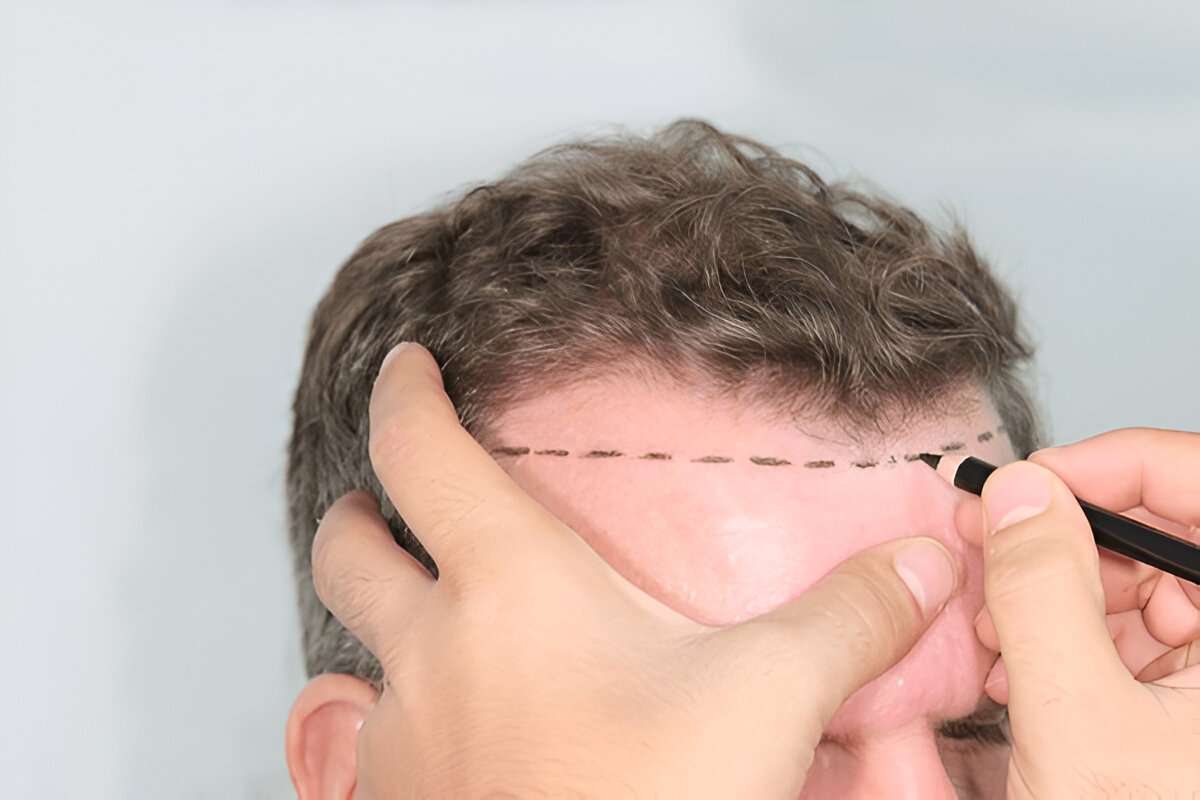
Creating a natural front requires extreme artistic precision. A talented surgeon acts like a true sculptor during this crucial phase. They study your facial muscles to ensure the new design frames your eyes perfectly. A dense, straight line of hair looks incredibly fake and highly artificial. It completely replaces a natural receding hairline with a horrific doll-like appearance. True surgical artists use a very specific gradient technique. They place delicate single-hair grafts at the very front edge of your bad hairline. They meticulously recreate the soft, irregular transition of a natural youthful boundary. They place the thicker three-hair and four-hair grafts further back to build heavy volume. This strategic placement fixes the area seamlessly. People will just think you possess a great head of hair. They will never spot the surgical intervention.
Achieving the Right Density
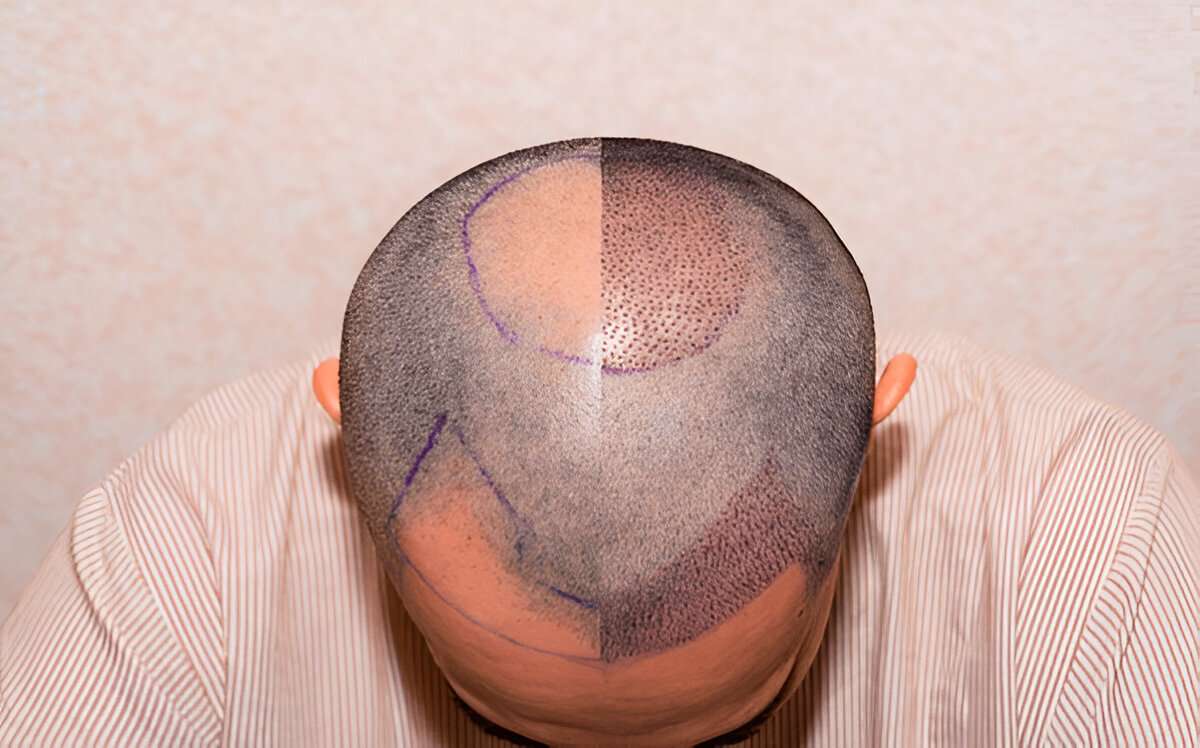
Surgeons measure hair density in grafts per square centimetre. A healthy scalp usually holds about eighty to one hundred grafts in that small space. However, you do not need that maximum density to achieve a great visual result. A skilled doctor can create a fantastic illusion using just forty to fifty grafts per square centimetre. This strategic density effectively eliminates the appearance of a receding hairline. It restores your facial framing perfectly without wasting your valuable donor supply. Packing too many grafts into a bad hairline actually risks graft failure. The implanted follicles compete fiercely for limited blood supply. You achieve much better survival rates with a sensible, balanced density.
Taking the Right Next Steps
You cannot diagnose your own graft requirements accurately through photographs alone. You must visit a registered clinic for a physical evaluation. A professional surgeon will measure your exact level of baldness precisely. They will use specialised magnification to examine your donor area health. They will calculate the exact mathematical requirements to conquer your receding hairline. You should prepare a list of specific questions before you attend this vital meeting. Ask the doctor to show you clear photographs of their previous patients. They will explain exactly how they plan to reconstruct your bad hairline safely. This professional assessment removes all the confusing internet guesswork from your journey. You finally gain a clear, factual understanding of your own specific needs.
Moving Forward with Confidence
You must approach this surgical journey with patience and clear logic. Stop obsessing over massive graft quotes you see online. A successful transplant relies entirely on artistic design and careful donor management. You hold the power to restore your confidence safely today. Evaluate your current receding hairline honestly in the mirror. Book a thorough consultation with a reputable British doctor. Ask them exactly how many grafts you genuinely need. Do not let fear or confusion paralyze your decision-making process. You can successfully defeat a bad hairline forever. You just need the right professional advice and a highly conservative surgical approach. Take control of your appearance today and make an informed decision for your future.