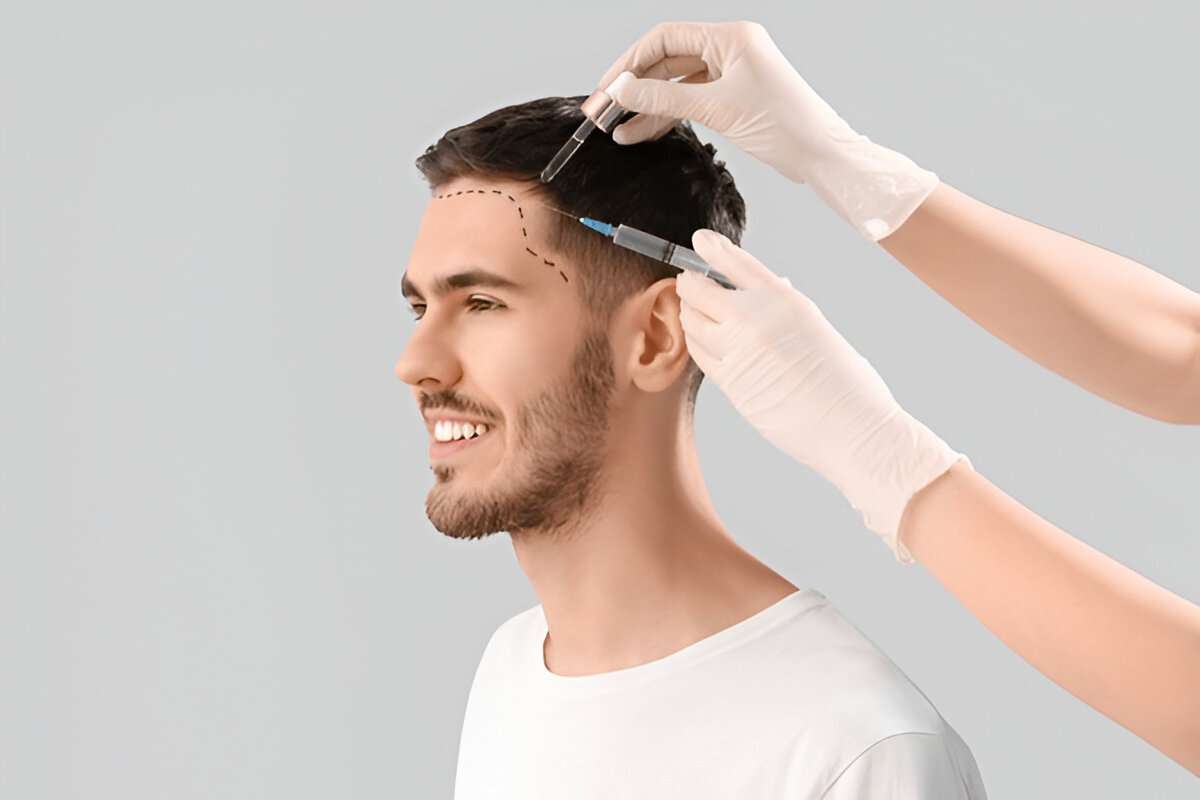
Scarring is a common concern for anyone considering a hair transplant. Whether you are researching a hair transplant London clinic or exploring hair transplant UK options, understanding the causes, prevention, and management of scarring is essential. Knowing what to expect can help you make informed decisions and feel confident about the procedure.
Why Scarring Happens
Hair transplant procedures involve moving hair follicles from a donor area to thinning or bald areas. This process requires tiny incisions or a strip of scalp, which can naturally lead to scarring.
Hair transplant London specialists explain that scarring is often influenced by the method used. Across hair transplant UK clinics, patients are reassured that skilled surgeons aim to minimise visible marks through careful technique.
FUE vs FUT: Scarring Differences
The type of hair transplant affects scarring risk:
FUE (Follicular Unit Extraction)
FUE uses tiny punches to extract individual follicles, leaving minimal, dot-like scars. Hair transplant London clinics highlight that these marks are usually small enough to be concealed by surrounding hair.
FUT (Follicular Unit Transplantation)
FUT involves removing a strip of scalp, which can leave a linear scar at the donor site. Hair transplant UK providers note that this type of scarring can be more noticeable, especially with short hairstyles, but careful closure techniques can reduce visibility.
Factors That Influence Scarring
Several factors can impact scarring after a hair transplant:
Surgical Technique and Expertise
Experienced surgeons using precise techniques tend to produce less noticeable scars. Hair transplant London clinics emphasise selecting a practitioner with proven skill.
Skin Type and Healing Ability
Individual healing varies, and some people are more prone to keloid or hypertrophic scarring. Hair transplant UK specialists assess skin type during consultations to predict potential outcomes.
Post-Operative Care
Following aftercare instructions is vital to minimise scarring. Gentle cleaning, avoiding scratching, and protecting the scalp from sun exposure all contribute to better healing. Hair transplant London clinics provide detailed guidance for optimal recovery.
Managing and Minimising Scarring
Even with careful technique, some scarring may occur. There are ways to reduce its appearance:
Scalp Micropigmentation
This technique can mask small scars by adding pigment to blend them with surrounding hair. Hair transplant London clinics often offer this as an option for enhanced cosmetic results.
Laser Treatments and Topical Solutions
Some patients use laser therapy or specialised creams to improve scar texture and colour. Hair transplant UK clinics may recommend these treatments for stubborn or visible scars.
Hair Styling Techniques
Strategic haircuts and styling can effectively conceal scars. Hair transplant London specialists often provide advice tailored to the patient’s hair type and growth pattern.
Setting Realistic Expectations
It’s important to understand that some scarring is a natural part of the healing process. With proper technique, most scars are subtle and can be easily covered. Hair transplant London and hair transplant UK clinics emphasise honest discussions about expected outcomes to avoid disappointment.
Understanding what is achievable ensures patients feel confident and prepared for the recovery process. It also reinforces the importance of selecting an experienced clinic and following post-procedure care instructions.
Final Thoughts
Hair transplant scarring is a valid concern, but with the right approach, it can be minimised or effectively concealed. Choosing the appropriate technique, working with skilled surgeons, and adhering to aftercare guidelines are key to achieving natural, lasting results. Whether visiting a hair transplant London clinic or a hair transplant UK provider, understanding scarring helps patients make informed decisions and enjoy the full benefits of hair restoration with confidence.