The United Kingdom has become a global hub for advanced hair restoration. Many people now seek to reclaim their confidence through surgical intervention. However, no surgical procedure comes without a degree of risk. You must understand these potential complications before you commit to surgery. Most patients focus heavily on the final aesthetic outcome. While the result matters, your physical safety remains the absolute priority. The decision often starts with a choice between the FUE vs FUT hair transplant methods. Each technique carries its own specific set of considerations and healing requirements. This guide explores the common risks associated with these procedures in the UK. We want you to feel empowered and informed as you start this journey. Knowledge is your best tool for ensuring a safe and successful transformation.
Common Surgical Risks and Scalp Reactions
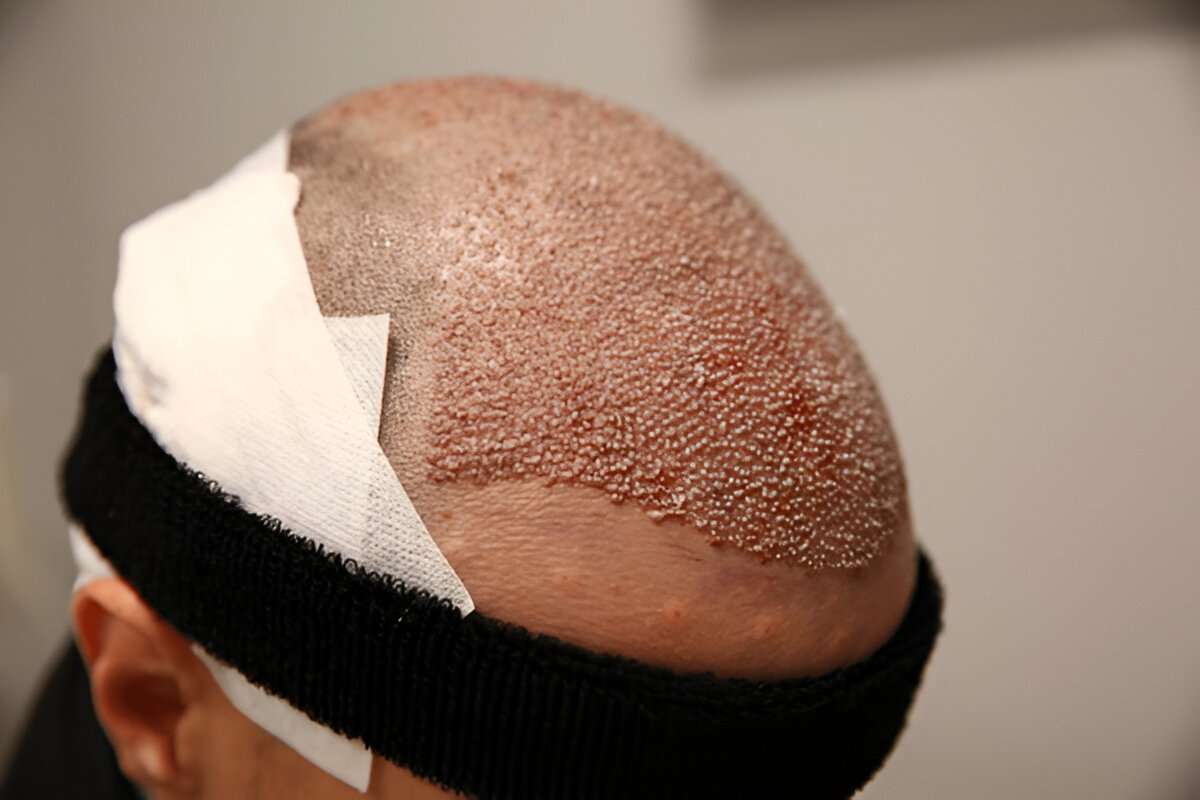
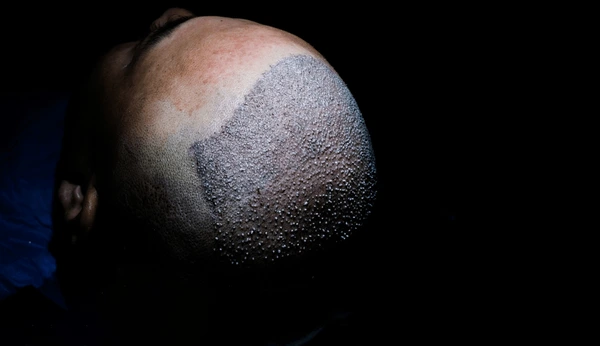
Every surgery involves a level of trauma to the skin and underlying tissue. Your scalp will naturally react to the tiny incisions made during the process. Most patients experience minor swelling and redness in the first few days. This is a standard inflammatory response as your body begins to heal. However, more significant risks can occur if you do not follow aftercare protocols. You might face minor bleeding or bruising around the donor and recipient sites. The choice of FUE vs FUT hair transplant will dictate how your skin recovers. A strip procedure involves deeper tissue work than individual follicle extraction. Understanding these physical responses helps you prepare for the recovery phase. Most minor side effects resolve within a week with proper rest and care.
The Risk of Post-Operative Infection
Infection is a primary concern for any patient undergoing a medical procedure. The UK maintains very high clinical standards for surgical environments. However, the risk of infection still exists once you return home. Bacteria can enter the small wounds if you do not keep the scalp clean. You must avoid touching the area with unwashed hands during the first week. Signs of infection include persistent redness, heat, and unusual discharge. When comparing FUE vs FUT hair transplant, the wound types differ significantly. A large linear incision requires different hygiene steps than hundreds of tiny dots. Your surgical team will provide a detailed cleaning schedule to mitigate this risk. Following these instructions strictly ensures your scalp stays healthy and free of harmful bacteria.
Comparing Scarring and Skin Changes
Scarring is an inevitable part of any surgery that breaks the skin. The visibility of these marks depends on the technique your surgeon employs. This is a major point of discussion in the FUE vs FUT hair transplant debate. FUT involves removing a strip of skin, which leaves a permanent linear scar. If you prefer to wear your hair very short, this line might be visible. FUE involves extracting individual follicles, leaving tiny circular marks across the donor area. These dots are usually much harder to see once the hair grows back. When weighing FUE vs FUT hair transplant, you must consider your future styling preferences. Some patients also develop small bumps or “pitting” in the recipient area. Choosing a highly skilled surgeon reduces the risk of these textural skin changes.
Nerve Damage and Temporary Numbness
The extraction process can sometimes affect the tiny nerves in your scalp. Many patients report a sensation of numbness or “pins and needles” after surgery. This is particularly common in the donor area at the back of the head. When evaluating FUE vs FUT hair transplant, nerve impact is a vital consideration. The deeper incision of a strip procedure may affect nerves more than shallow extractions. Most of this numbness is temporary and fades as the nerves regenerate. In rare cases, some areas of the scalp may remain numb for several months. You should discuss these sensory risks with your doctor during your consultation. Understanding how FUE vs FUT hair transplant affects sensation helps manage your expectations. Most patients find that full sensation returns within six months of the procedure.
The Reality of Graft Failure and Poor Growth
The ultimate goal of surgery is to see thick, healthy new hair growth. However, there is a risk that some transplanted follicles will not survive. This is often referred to as a low “take rate” in the medical community. Several factors influence how well the grafts anchor into their new home. The way the team handles the follicles outside the body is absolutely critical. Poor technique during the FUE vs FUT hair transplant process can damage the delicate roots. If the follicles stay out of the body for too long, they may die. Your personal health and blood circulation also play a role in graft survival. Smoking and poor nutrition can significantly increase the risk of poor growth. Choosing a reputable UK clinic ensures that the team uses the best preservation methods.
Understanding the Phenomenon of Shock Loss
Shock loss involves the temporary shedding of existing hair near the surgical sites. This can be an alarming experience for many patients in the weeks after surgery. It occurs because the trauma of surgery pushes follicles into a resting phase. Both FUE vs FUT hair transplant techniques can trigger this temporary thinning. You might feel like you are losing more hair than you are actually gaining. Fortunately, this hair almost always grows back once the scalp recovers. The risk of permanent shock loss is very low when a skilled surgeon is involved. They ensure that they do not place the new grafts too close to existing follicles. Knowing about this risk prevents unnecessary panic during the early stages of your recovery.
Anaesthesia and Medication Considerations
Most hair restoration in the UK uses local anaesthesia to numb the scalp. While this is very safe, some people may have adverse reactions to the medication. You might experience a rapid heartbeat or a mild feeling of dizziness. The clinical team monitors your vital signs throughout the FUE vs FUT hair transplant procedure. It is vital that you disclose your full medical history and any allergies. Some patients also react to the post-operative medications like antibiotics or painkillers. The UK regulatory bodies ensure that clinics have emergency protocols in place. A professional environment reduces the risk of serious medical complications during the day. Your safety depends on the transparency between you and your medical team.
Psychological Risks and Managing Expectations
The emotional impact of a hair transplant is often overlooked by many patients. You might feel a surge of anxiety during the “ugly duckling” phase of healing. This period occurs when the scabs fall off and the new hair has not grown yet. The FUE vs FUT hair transplant journey requires a significant amount of patience. If you expect a full head of hair in one month, you will feel disappointed. Unrealistic expectations can lead to poor body image and emotional distress. A good surgeon will manage your expectations from the very first meeting. They will explain exactly what FUE vs FUT hair transplant can and cannot achieve. Emotional preparation is just as important as physical preparation for a successful outcome.
The Risk of Choosing an Unregulated Clinic
The biggest risk often comes from the choice of the facility itself. The UK has strict regulations through the Care Quality Commission and the General Medical Council. However, some people choose unregulated “hair mills” to save money on costs. These clinics often cut corners on hygiene and employ unqualified technicians. When you look at FUE vs FUT hair transplant prices, the cheapest option is rarely the safest. Substandard care increases the risk of permanent scarring and severe infection. You may end up with a result that looks artificial or “pluggy” in appearance. Fixing a bad transplant is much more difficult and expensive than doing it right. Always verify that your chosen doctor is registered and has a clean record.
Protecting Your Donor Area for the Future
Your donor hair is a finite resource that you must protect for your entire life. An aggressive surgeon might extract too many follicles in a single session. This leaves the back of your head looking thin or moth-eaten. This risk applies to both FUE vs FUT hair transplant methods if not planned well. Over-harvesting limits your options if you lose more hair as you get older. You need a surgeon who thinks about your appearance ten or twenty years from now. A conservative and strategic approach ensures you always have enough hair to look natural. The FUE vs FUT hair transplant plan should focus on sustainability and long-term density. Expert planning is the key to avoiding a depleted donor area.
Making an Informed Decision for Your Health
Every person must weigh the risks against the potential rewards of hair restoration. For many in the UK, the boost in confidence far outweighs the temporary discomfort. Understanding the differences between FUE vs FUT hair transplant helps you choose the right path. You can mitigate most risks by selecting a qualified surgeon and following aftercare. Avoid rushing into a decision based on price or clever marketing alone. Take the time to ask tough questions during your consultation about safety and results. Your hair is an investment in your future and deserves the highest level of care. A successful procedure starts with a realistic and safety-conscious mindset. Trust the process and the expertise of the UK medical community to guide you. You are one step closer to achieving the natural, full look you desire.